
The Risks Associated with AI and Enterprise Data

Artificial intelligence is one of the most powerful tools we've ever created. It’s also one of the most dangerous. The same algorithms that can optimize supply chains or detect fraud can also amplify biases, leak sensitive data, or make decisions no one understands. And when you combine AI with enterprise data, the stakes get even higher.

Enterprise data is the lifeblood of modern organizations. It’s what they use to understand their customers, manage their operations, and make decisions. But it’s also a liability. If mishandled, it can expose companies to lawsuits, regulatory fines, and reputational damage.

View More
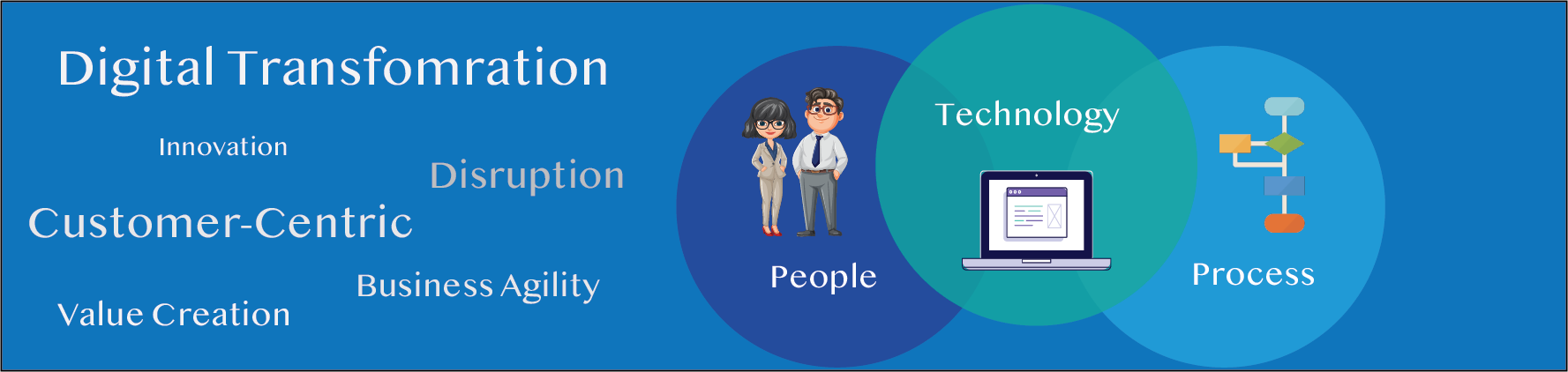
Digital Transformation - The Critical Role of People, Process, and Technology

In the realm of digital transformation, a concept that has become a buzzword yet remains profoundly misunderstood, lies the critical triad of people, process, and technology. This trio forms the backbone of any successful digital transformation initiative, yet its balance and interplay are often overlooked, leading to suboptimal outcomes and, in some cases, outright failure.

The allure of technology, with its promise of efficiency and growth, frequently overshadows the equally vital components of people and process.

View More

What is GDPR?

The European Parliament adopted GDPR in April 2016, replacing a data protection directive approved in 1995. The new law carries requires businesses to protect the personal data and privacy of EU citizens for all data transactions. The GDPR also regulates the export of personal data outside the EU zone.

GDPR applies to any organization that collects and processes data of EU citizens, even if the processing is done outside of the EU. GDPR classifies organization as ‘controllers’ or ‘processors.’

View More

Moving to Cloud

Many businesses and enterprises have moved to cloud in the last two decades. According to research around 69% of businesses are already using cloud technology. Gartner predicts that this trend will continue through 2023. In 2020 the pandemic accelerated the cloud migration due to global economic shutdown imposed by governments around the world. Cloud services come with a number of attractive advantages given the maturity of services and regulations. Some of the benefits of cloud computing include cost savings, security, scalability, flexibility, disaster recovery, data loss prevention, increased collaboration, security and mobility. When considering moving to cloud, we recommend the following approach.

View More

Developing a Culture of Security

Even the most skilled and equipped team of cybersecurity professionals can’t effectively protect the rest of the workforce unless all employees—from top to bottom—embrace a culture of security. A culture of security is part of a broader organizational culture, incorporating behaviors, principles and values that contribute to the attitudes of employees toward security programs and policies.

Does your organization have a Security Education Training Awareness (SETA) program? Let's explor some useful information on how to setup a SETA program.

View More